The world of work is changing faster than ever. Businesses are no longer hiring just to fill vacancies—they are hiring to stay competitive, agile, and future-ready. As technology evolves and workforce expectations shift, Hiring Trends in 2026 clearly show that recruitment is becoming more skill-focused, data-driven, and people-centric.
For employers, HR professionals, and job seekers alike, understanding these trends is no longer optional—it’s essential. Let’s explore the top workforce and hiring trends that will shape recruitment strategies in 2026.
Table of Contents
1. Skill-Based Hiring Takes Priority Over Degrees
One of the most impactful Hiring Trends in 2026 is the shift from degree-based hiring to skill-based hiring. Companies are focusing more on what a candidate can actually do rather than where they studied.
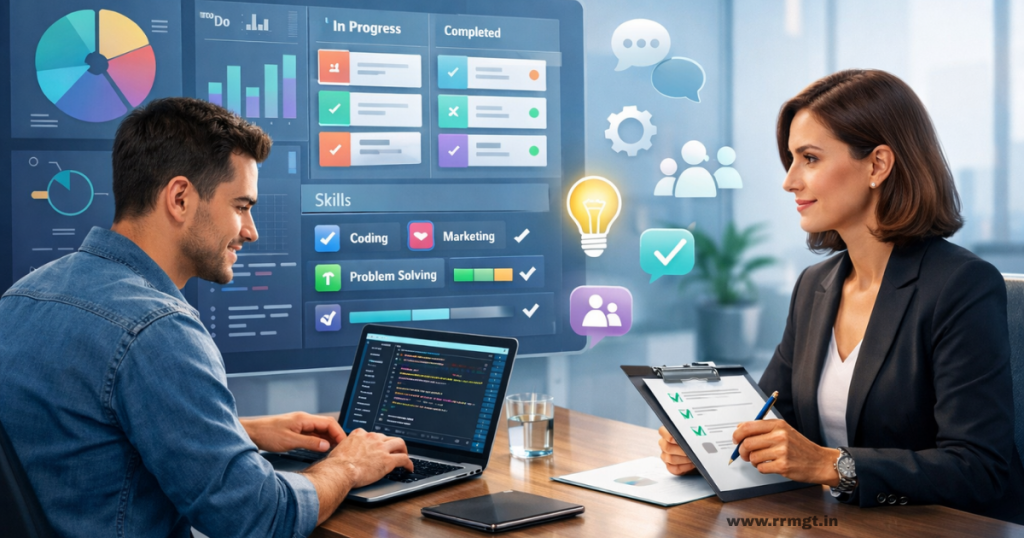
Practical skills, real-world experience, certifications, and portfolios are becoming stronger indicators of job readiness. This approach not only widens the talent pool but also helps companies hire candidates who can deliver results from day one.
2. Rise of Hybrid and Flexible Work Models
The traditional 9-to-5 office model continues to fade. In 2026, hybrid and remote work options are no longer “benefits”—they are expectations.
Organizations offering flexible work arrangements are attracting better talent, improving retention, and increasing productivity. Employees value work-life balance, and companies that adapt to this mindset will have a clear hiring advantage.
3. Artificial Intelligence Becomes a Recruitment Partner
AI is no longer just a buzzword in hiring. One of the strongest Hiring Trends in 2026 is the use of AI-powered tools in recruitment processes.
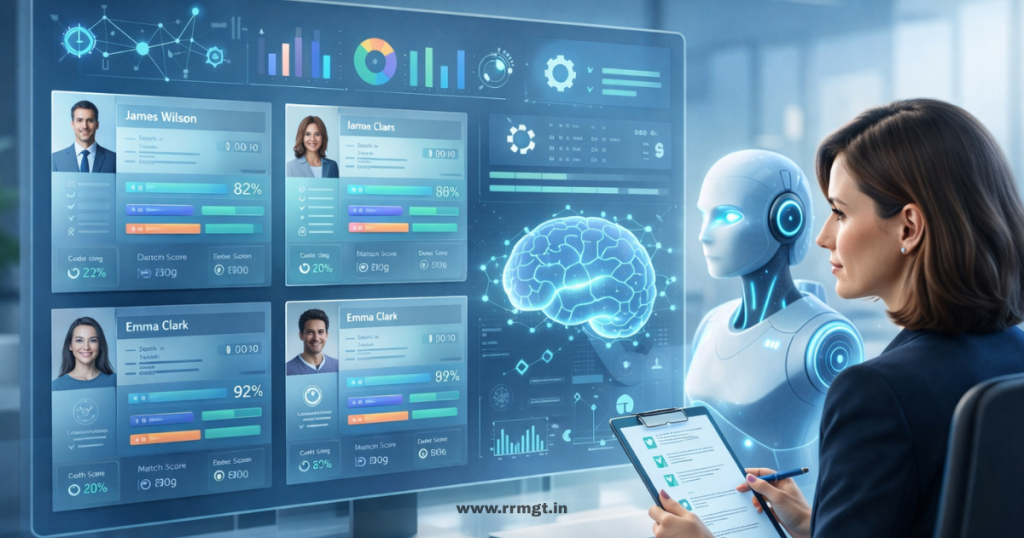
From resume screening and candidate matching to interview scheduling and skill assessments, AI helps recruiters save time and reduce bias. However, human judgment still plays a crucial role—technology supports decisions, it doesn’t replace them.
4. Employer Branding Influences Hiring Decisions
In 2026, candidates research companies just as much as companies evaluate candidates. Employer branding has become a powerful hiring tool.
Job seekers look at company culture, employee reviews, social media presence, and growth opportunities before applying. Organizations that communicate transparency, values, and career development opportunities attract more qualified and loyal candidates.
5. Focus on Employee Retention and Internal Mobility
Hiring in 2026 is not only about attracting new talent—it’s also about retaining existing employees. Companies are investing more in internal promotions, upskilling, and career progression plans.
This trend reduces hiring costs, boosts employee morale, and creates a stronger, more stable workforce. Employees are more likely to stay when they see long-term growth within the organization.
6. Data-Driven Hiring Decisions
Another key highlight among Hiring Trends in 2026 is data-backed recruitment. HR teams are using analytics to measure hiring success, predict workforce needs, and improve candidate experience.
Metrics like time-to-hire, quality-of-hire, and employee performance data help companies make smarter recruitment decisions instead of relying on guesswork.
7. Increased Demand for Soft Skills
While technical skills remain important, soft skills are gaining equal importance in 2026. Communication, adaptability, problem-solving, and emotional intelligence are highly valued across industries.
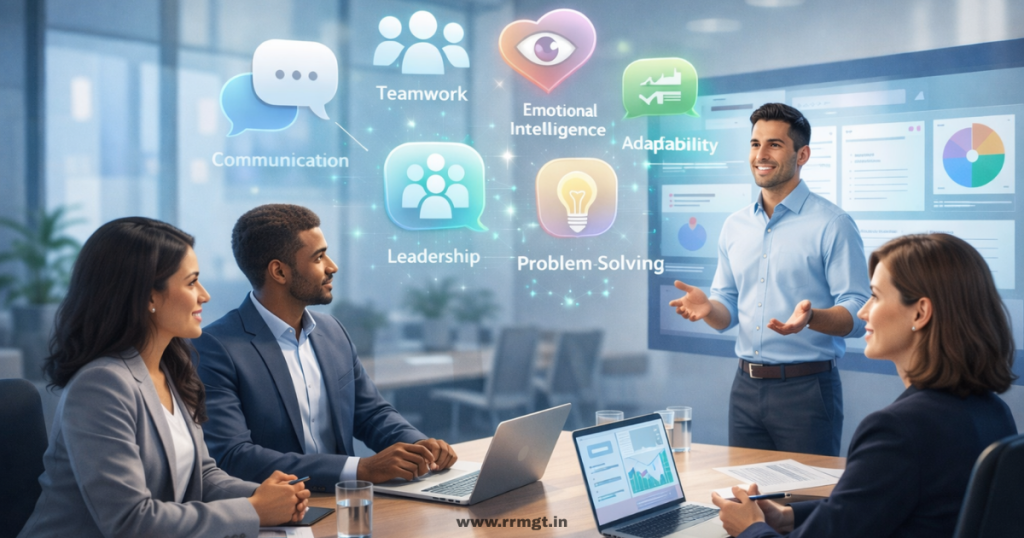
Employers are seeking candidates who can collaborate, handle change, and contribute positively to workplace culture—not just perform tasks.
8. Diversity, Equity, and Inclusion (DEI) Become Standard Practice
DEI is no longer a trend—it’s a standard expectation. Companies in 2026 are actively building diverse teams and inclusive workplaces.
Inclusive hiring practices help organizations innovate, improve employee satisfaction, and strengthen their brand reputation. Businesses that prioritize DEI are more attractive to modern job seekers.
Conclusion
The Hiring Trends in 2026 clearly show one thing: recruitment is becoming smarter, more flexible, and more human-focused. Companies that adapt to these changes will not only attract top talent but also build stronger, future-ready teams.
For job seekers, staying updated with these trends means improving skills, embracing flexibility, and focusing on continuous growth. For employers, it’s about evolving hiring strategies to match the expectations of the modern workforce.
At RR Manpower, we help businesses and candidates stay aligned with the latest workforce trends—because the future of hiring starts today.